
CONCERNS
ABOUT CERVICAL CANCER
WHY CERVICAL CANCER?
Cervical Cancer is a silent killer. About eleven Filipino women die each day despite being considered to be ONLY PREVENTABLE disease. Cervical Cancer prevention can be obtained through professional health lectures, HPV vaccines, and annual Cervical Cancer screening.
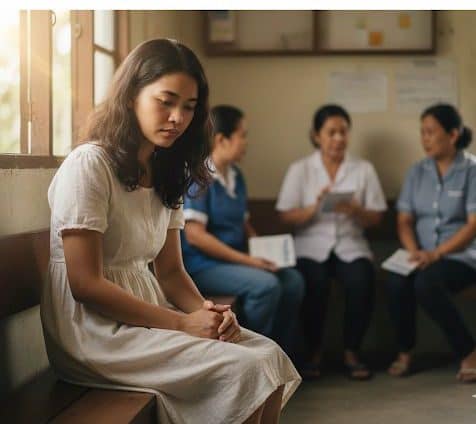
In many parts of the Philippines, cervical cancer is not the main problem — the price of prevention is.
A woman may want to get checked, but the cost of testing can be higher than what her family can spend in a week. So she delays. And delays again.
Cervical cancer often stays silent until it becomes serious.
The tragedy is: early detection could save her life, but for many women, screening is simply not affordable.
Key Prevention Strategies
HPV Vaccination
– Target: Vaccinate girls aged 9-14 against HPV, the virus causing most cervical cancers (99.7%).
– Challenges: High cost and vaccine hesitancy are barriers, but public-private efforts aim to increase access.
Screening & Early Detection
– Methods: Pap smears, Visual Inspection with Acetic Acid (VIA), and HPV DNA tests.
– Goal: Screen 70% of women by ages 35 and 45 with high-performance tests.
– Accessibility: Programs like End Cervical Cancer Philippines offer on-the-go screenings and teleconsultations.
Treatment
Ensure 90% of women with pre-cancerous lesions or cancer receive timely treatment.
Why Malaya is Needed
In the Philippines, thousands of women die every year from cervical cancer — even though this disease is largely preventable.
The main problem is not lack of medical knowledge – it is lack of access to prevention and early care.
3100+
women die every year
1 in 2
Women diagnosed do not survive
1.6%
Lifetime risk for women
Prevention Reaches Only a Few
The most effective protection against cervical cancer is the HPV vaccine.
- Introduced nationally in 2016
- Target group: girls aged 9–14 years
Early Detection Is Almost Non-existent
Screening can save lives.
But currently:
- Only about 1% of women were screened in the last 5 years
- Only about 1% have ever been screened
- Most cases are discovered too late.
Treatment Is Severely Under-resourced
Although cancer services exist:
- Very limited radiotherapy equipment
- Shortage of specialized staff
- Long waiting times
As a result, many women die despite treatable conditions.
Global Targets Are Far From Being Met
The WHO aims by 2030:
- 90% of girls vaccinated against HPV
- 70% of women regularly screened
- 90% of patients receiving treatment
The Philippines currently fall far below these goals.
How Malaya Makes a Difference
Malaya focuses on where the gaps are greatest
Education & Awareness
Providing health education in communities
Access to Screening
Supporting local early detection initiatives
Prevention Support
Helping expand vaccination efforts
Sustainable Funding
Profits from Malaya products are reinvested into health and social programs in the Philippines

Sources: World Health Organization – Cervical Cancer Country Profile Philippines, 2021.